
Assessing Senior Communities For Recreational Programs
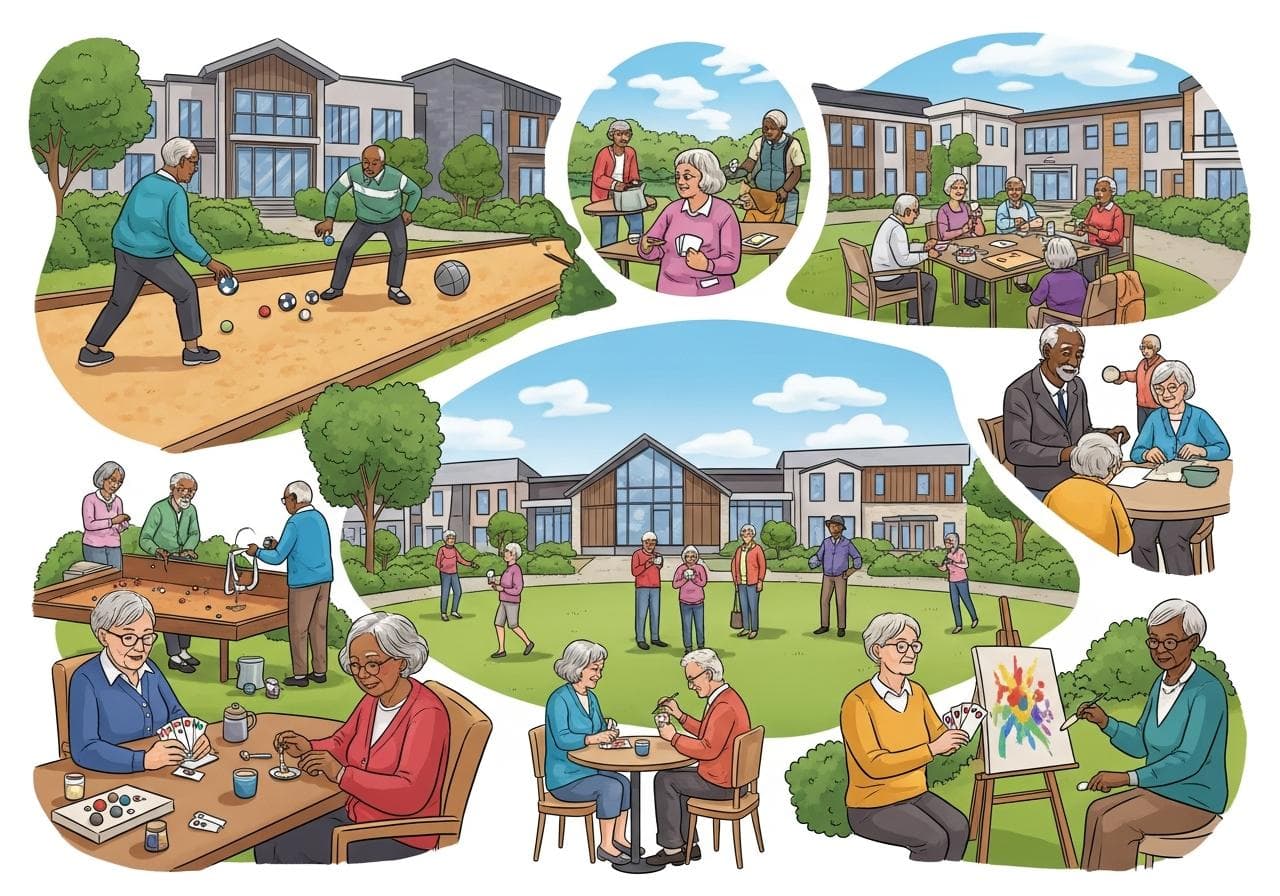
Exploring activities enhances senior well-being. Diverse options like games and social gatherings boost happiness.
As we age, finding the right community that offers an enriching lifestyle becomes increasingly important. For seniors, recreation is not just about having fun; it's a vital aspect of overall well-being. That's where assessing Senior Recreation options within Active Adult Communities, Retirement Communities, and others comes into play. So, what should you be looking for?
Understanding Recreational Needs in Senior Living
When searching for the ideal community, understanding the recreational needs of seniors is the first step. The priorities and interests of older adults differ vastly; some may seek leisurely activities like gardening or arts and crafts, while others might prefer more active pursuits such as swimming, hiking, or dance classes. Think about what kinds of activities make you or your loved ones feel engaged and fulfilled. Communities that foster Independent Living often emphasize a wide range of recreational programs, allowing seniors to maintain their interests.
What Activities Can You Expect?
In senior communities, you can find a plethora of recreational programs designed to cater to various interests. Classes may range from computer skills to cooking workshops, while fitness programs might include yoga or strength training specifically designed for older adults. Additionally, many communities plan events like movie nights, themed dinners, and group outings that are perfect for socializing. It's especially beneficial to explore communities that offer Continuing Care Retirement Communities, as they tend to provide a combination of recreational activities tailored to different levels of care.
Safety and Accessibility in Recreational Facilities
One of the essential factors to consider when assessing recreational programs is the safety and accessibility of facilities. Look for communities that have well-maintained spaces that can easily accommodate seniors with mobility issues. Wheelchair-accessible paths, ramps, and restrooms are crucial in ensuring that all residents can participate in recreational activities. Communities offering Assisted Living arrangements are vital as they often come equipped with specialized safety features and staff support to assist residents as needed.
Engagement in Memory and Dementia Care Programs
For seniors who may have memory-related conditions, such as dementia, the importance of recreation cannot be overlooked. Engaging programs can help stimulate the brain and improve the quality of life significantly. Many retirement communities offer specialized Dementia Care and Memory Care programs which include guided activities designed to support cognitive function and emotional well-being. Activities might involve music therapy, reminiscence therapy, and even simple games that spark joy.
Community Culture and Social Interaction
The culture of a senior community is just as important as the activities it offers. A supportive and interactive community fosters a sense of belonging, enabling seniors to make connections and friendships. Look for groups or programs that encourage social interactions, such as clubs or hobby groups. A vibrant community filled with enthusiastic residents makes it easier for new members to feel welcomed. If you're exploring 55+ Communities, keeping culture and social dynamics in mind is crucial for overall happiness.
Programming for Active Adults
For those who wish to maintain an active lifestyle, it's vital to assess what programs are available in potential senior living communities. Classes focused on fitness, arts, and other recreational activities not only improve physical health but also mental well-being. Many Nursing Homes are renovating their image and introducing more active living components as part of their care services, recognizing the correlation between physical activity and a higher quality of life.
Finding the Right Balance of Activities
The ideal community promotes a balanced lifestyle complete with enrichment, socialization, and stimulation. Look for programs that provide a variety of activities catering to both the physically active and those who prefer a more relaxed approach. This balance makes it easier for everyone to find something they enjoy. Engaging in diverse recreational activities is particularly crucial to seniors in Long-term Care, as it helps to combat feelings of isolation and depression.
Exploring Local Outings and Travel Opportunities
Many communities offer trips and outings tailored to seniors. These adventures might include local sightseeing, cultural events, or even weekend getaways. Exploring weekend trips for seniors can enrich the life of older adults, fostering both excitement and education. Look at what opportunities are arranged by the community for those who wish to venture outside their familiar settings.
Feedback from Current Residents
Before making any decisions, it’s invaluable to hear the experiences of current residents. Participating in community tours and asking questions regarding the recreational aspects can provide insight into how enjoyable or beneficial these programs may be. Look for testimonials or reviews that speak specifically about the recreational opportunities available. Communities that support residents well will often have positive feedback about their social engagement options. Explore resources like activities for older adults to access seasonal programs and ideas that can be enhanced or enjoyed.
Final Thoughts on Recreational Assessment
To recap, assessing senior communities for recreational programs is a vital step in finding the right environment for yourself or your loved ones. Ensuring that you consider how these activities contribute to physical, emotional, and mental health is paramount. By exploring options within Senior Living communities, such as options for Independent Living, Assisted Living, 55+ Communities, and others, you can better understand how they prioritizing recreation in their offerings. Engaging in recreational programs creates friendship, joy, and a deeper sense of purpose in one’s life, making it extremely important in the landscape of long-term care.
Learn more about activities designed for older adults by visiting this resource. From there, you can gather additional insights to help you make an informed decision about which community best fits your recreational needs.
Related Posts
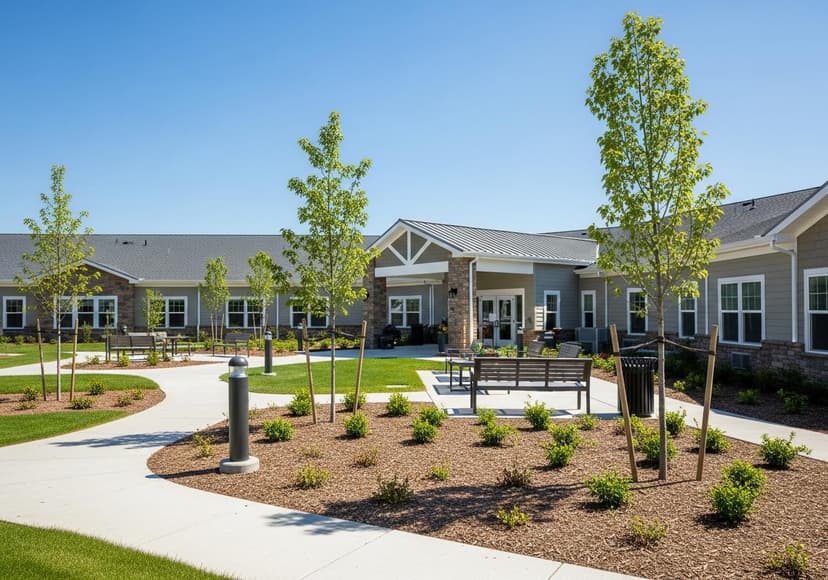
Above 55 Senior Living Communities Overview
Focusing on senior living options, this article provides insights into communities designed for those 55 and over.
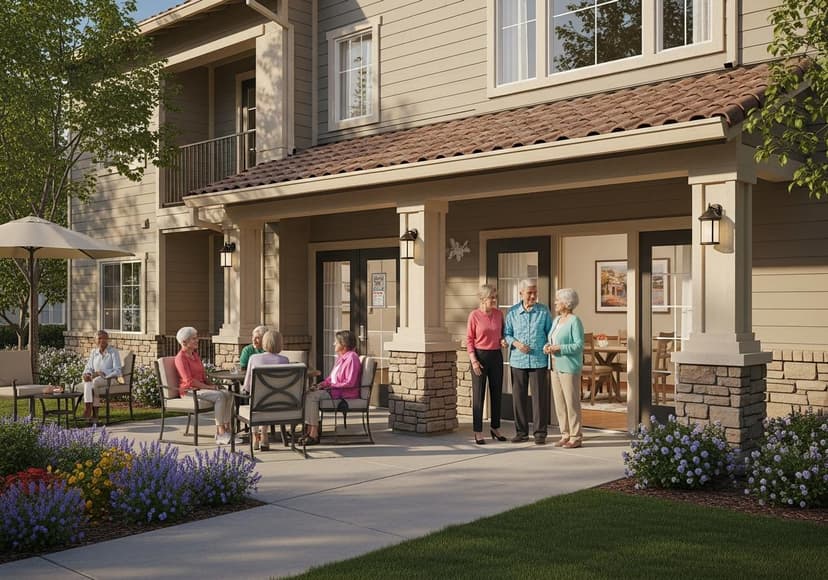
Affordable Apartments For Seniors
These residences offer comfortable, budget-friendly living options. Seniors can find independence with supportive services.
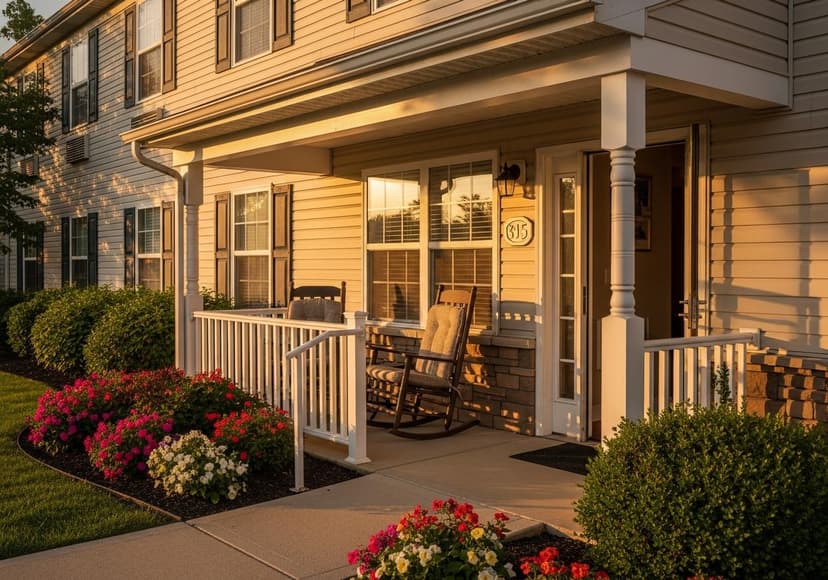
Affordable Housing Options For Seniors
Finding suitable homes with financial assistance ensures seniors live comfortably, fostering independence and well-being.