
Choosing Senior Communities Based On Healthcare Access
Selecting senior communities requires evaluating healthcare access, ensuring quality care, and promoting residents' well-being through services.
As we grow older, ensuring that we're surrounded by the right amenities and healthcare resources becomes increasingly essential. One crucial aspect that families consider while exploring residential options for seniors is healthcare accessibility. Many communities cater specifically to senior healthcare needs, providing different levels of support ranging from in-home care to skilled nursing facilities. Understanding this spectrum is vital when choosing the right community for your loved ones.
The Importance of Healthcare Accessibility in Senior Living
When exploring living arrangements for older adults, healthcare accessibility should be at the forefront of your decision-making. This includes evaluating whether the community provides adequate facilities for long-term care and if they have access to nearby hospitals or clinics for emergencies. In today's world, there are various senior living options available, including assisted living facilities, nursing homes, memory care, and continuing care retirement communities (CCRC). Each of these options differs in levels of care and support they offer.
Understanding Senior Living Options
Before making a decision, it’s essential to familiarize yourself with the different types of communities available. Assisted living facilities are designed for seniors who value their independence but require assistance with daily activities, such as cooking, cleaning, or medication management. They often include access to geriatric care professionals who understand the nuances of aging. Meanwhile, nursing homes provide round-the-clock care for seniors with significant health issues.
On another hand, memory care communities are tailored for individuals with Alzheimer’s or dementia. These facilities specialize in providing a secure environment where seniors can thrive despite their cognitive impairments. Access to specialized dementia care programs is crucial here, as these facilities ensure the safety and well-being of residents while fostering a supportive atmosphere.
The Role of Rehabilitation Centers
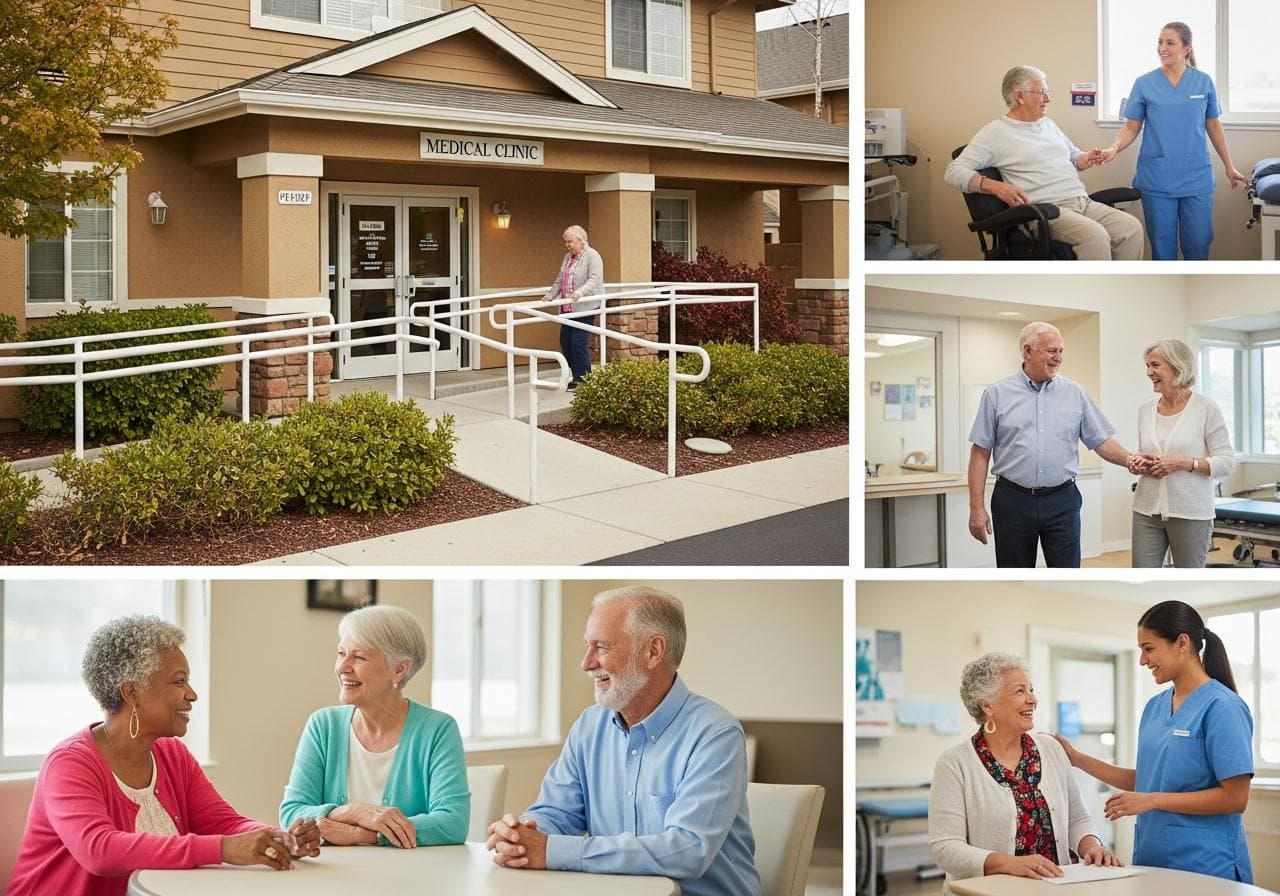
One often-overlooked aspect of healthcare accessibility is the availability of rehabilitation centers within or nearby senior communities. These centers play a critical role in post-operative recovery and rehabilitation for seniors needing physical therapy after surgery or illness. Whether recovering from a hip replacement or a stroke, having access to a rehabilitation center can greatly impact recovery times and outcomes.
Look for communities that have on-site rehabilitation centers or partner with reputable facilities close by. This will ensure that your loved ones have quick and easy access to physical and occupational therapies, which are vital components of the recovery process.
In-Home Care: A Flexible Alternative
For families considering more personalized care options, in-home care is another aspect worth exploring. This type of care is attractive for seniors who wish to maintain their autonomy but still require assistance with daily tasks. Caregivers can provide everything from companionship and meal preparation to nursing services, all within the comfort of one's home.
Identifying a community that supports in-home care services will help families find a balance between independence and needing assistance as health changes occur. It allows seniors to transition smoothly, providing them care as needed while still offering them the privacy and comfort of their own surroundings.
Choosing the Right Community
When it comes to selecting a senior community, families must consider many factors. One of the most significant is the quality and accessibility of care available. Not all communities are created equal, which is why you should do thorough research. Resources such as the AARP Community Preferences Survey can provide insight into what amenities and services to look for.
When visiting prospective communities, pay attention to their healthcare services. Ask about their partnerships with local clinics or hospitals and how they handle medical emergencies. Understanding their protocols and available care levels should ultimately guide your decision.
Evaluating Staff Qualifications
The qualifications and experience of the staff also play a crucial role in the quality of care offered. Look for communities where staff members hold certifications in geriatric care, nursing, or allied health professions. Training in specialized care, like dementia care, should also be part of the staff's skill set. During tours, ask about staff-to-resident ratios and training processes to ensure residents receive personalized attention.
Financial Considerations
Choosing a senior community is not just an emotional decision; it can also be a financial one. Look into the costs associated with different living arrangements. Are there additional fees for health services? What about insurance coverage? It’s vital to fully understand the financial side of senior living before making any commitments.
Some communities, like CCRCs, offer a continuum of care that allows residents to transition as their health needs change. While they might have a higher upfront cost, the long-term financial implications could work out in favor of families by avoiding the expenses of moving from one facility to another.
The Bottom Line
In choosing the right senior community, healthcare access and quality care should be paramount in your decision-making process. Evaluate the unique needs of your loved ones and find facilities that can cater to them as they age. Whether opting for assisted living, memory care, or even a rehabilitation center, ensuring adequate healthcare access is crucial. For more insights, you can explore articles related to senior communities on platforms like The Senior List or Senior Planet.
Remember, the best choice is one that prioritizes both health and happiness for your loved ones. Do your due diligence, engage in open discussions, and make informed decisions together.
Related Posts
Above 55 Senior Living Communities Overview
Focusing on senior living options, this article provides insights into communities designed for those 55 and over.
Affordable Apartments For Seniors
These residences offer comfortable, budget-friendly living options. Seniors can find independence with supportive services.
Affordable Housing Options For Seniors
Finding suitable homes with financial assistance ensures seniors live comfortably, fostering independence and well-being.