
Daily Mobility And Balance Routines That Support Senior Stability
Improve senior stability with routines. Enhance mobility and balance. These routines are designed for better senior living.
As we age, maintaining mobility and balance becomes increasingly important. Whether you’re strolling around your neighborhood or simply getting up from your chair, a stable core plays a significant role in the way you move. Core stability exercises form the foundation of a functional lifestyle for seniors. They enhance balance, agility, and strength, supporting daily activities and improving overall quality of life.
Understanding Core Stability and Its Importance
Core stability is the ability to control the position and motion of the trunk over the pelvis and legs. An unstable core can lead to falls and injuries, which are concerning factors for seniors. Regular engagement in core stability exercises not only supports your balance training but also nourishes your physical wellbeing as you get older. Engaging in exercises aimed at the core can help with activities of daily life, from getting in and out of the car to standing while preparing meals.
Senior Mobility Exercises to Get You Moving
Senior mobility exercises are perfect for improving the flexibility and range of motion. Incorporating activities such as gentle stretches, ankle circles, and arm lifts can help reduce stiffness and build strength. Even simple movements can go a long way in enhancing mobility. These exercises can be done in the comfort of your home and should provide a great start to your daily routine. So grab a chair, allocate some time each day and be ready to feel the difference!
Balance Training for Seniors
Balance training for seniors transcends age! With age, our balance tends to decrease, but the right training can help. Activities like standing on one leg or walking heel-to-toe can sharpen your stability. Adding a balance challenge can improve the proprioception—your body's sense of its position in space. Practicing balance techniques from resources like The Senior List can guide you through effective balance routines tailored for seniors.
Fall Prevention Exercises
Fall prevention exercises are essential for seniors to stay safe at home or outdoors. Exercises that focus on strength and stability, such as sit-to-stand movements or step-ups, can significantly reduce the risk of falls. Movements that engage multiple muscle groups lend to better coordination. This not only builds physical strength but also the confidence to engage in daily activities without fear. Remember, safety comes first, so take every precaution when engaging in these routines!
The Role of Gait Training for Seniors
Gait training for seniors is about more than just walking; it's about developing stronger patterns of movement. By incorporating aspects of gait training, one can accomplish better posture, step frequency, and overall mobility. Work on walking with a confident stride, keeping your head up and shoulders back. And don’t hesitate to ask for professional guidance if needed! A physical therapist can assist in optimizing your walking pattern, ensuring safe movements with proper alignment.
Leveraging Physical Therapy for Balance
Physical therapy for balance can tremendously contribute to a senior's stability. Therapists can provide tailored exercises that adapt to the unique needs of an individual. The aim is to strengthen core muscles and increase overall coordination. Perhaps even incorporate fun activities such as full-body workouts that engage various muscle groups while focusing on balance and stability.
Integrating Vestibular Rehabilitation
Vestibular rehabilitation is crucial for seniors experiencing dizziness or balance issues. A therapist can create a plan tailored to improve balance through specific exercises that challenge the vestibular system. This rehabilitation is often combined with core stability exercises to enhance performance. Try to engage in movements that build strength while working on coordination and fluidity. Knowing your limits is essential, so take adjustments seriously!
Incorporating Proprioception Exercises
Proprioception exercises help seniors understand body positioning and movement through muscular and neurological feedback. Simple actions, such as closing your eyes while standing on one leg, can improve this skill. Focus on maintaining your balance without visual cues, which challenges your body's ability to sense position. These exercises are not only beneficial for balance but also for building self-awareness and confidence in physical movements.
The Benefits of Tai Chi for Seniors
Tai Chi for seniors combines slow, deliberate movements with mindfulness, making it an excellent choice for promoting balance and strength. This ancient practice teaches body control, improves flexibility, and facilitates relaxation. Classes are widely available and can often be found in community centers or local gyms, fostering social interactions in a supportive environment. It’s an enjoyable way to enhance your balance while meeting new friends!
Yoga for Seniors: A Gentle Approach
Yoga for seniors offers a gentle yet effective means of maintaining flexibility, improving balance, and supporting a strong core. Practicing yoga strengthens various muscle groups, especially in the trunk, leading to better stability. Look for beginner classes designed for seniors, where trained instructors can guide you through safe poses tailored to your abilities. With regular practice, you'll find yoga improves not just balance, but peace of mind and wellbeing.
Strength Training for Seniors
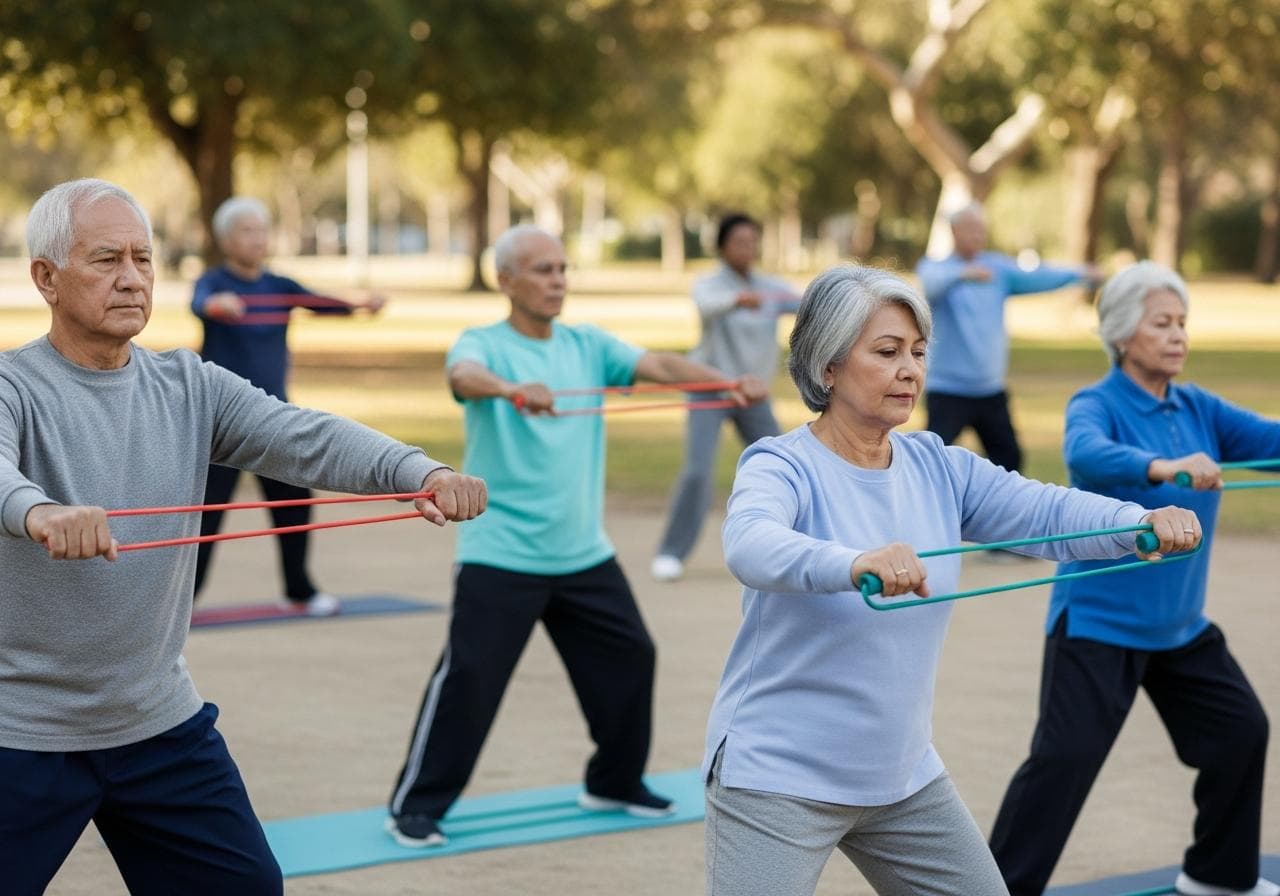
Strength training for seniors is vital to preserve muscle mass and support overall mobility. Incorporating resistance-based exercises into your routine helps prevent the declines often associated with aging. Lifting light weights or using resistance bands can significantly enhance your muscle strength. Always start with light weights to avoid injury and progressively increase the load as strength develops. Your muscles perform better—and you'll feel more confident too!
Conclusion: Embrace a Balanced Life!
Incorporating these daily mobility and balance routines ensures that seniors can lead vibrant, fulfilling lives well into their golden years. Focus on core stability exercises, balance training, strength building, and various unique practices like Tai Chi and Yoga, while never forgetting the importance of enjoyment in your routine! With consistent attention to mobility and balance, you can reduce falls, enhance confidence, and improve your quality of life. Stay active, stay balanced, and enjoy the journey!
Related Posts
A Guide To Senior Services And Support
Navigating senior services provides essential support, resources and care for older adults to maintain independence and well-being.

Adult Aligners Seniors Tips For Comfortable Treatment
Seniors seeking adult aligners should prioritize comfort. Gentle adjustments and open communication are key.

Affordable Home Care Services For Seniors
Quality support offers seniors independence. Customized care ensures comfort, well-being, and peace within familiar surroundings.