
Essential Information Seniors Should Know About Reverse Mortgages
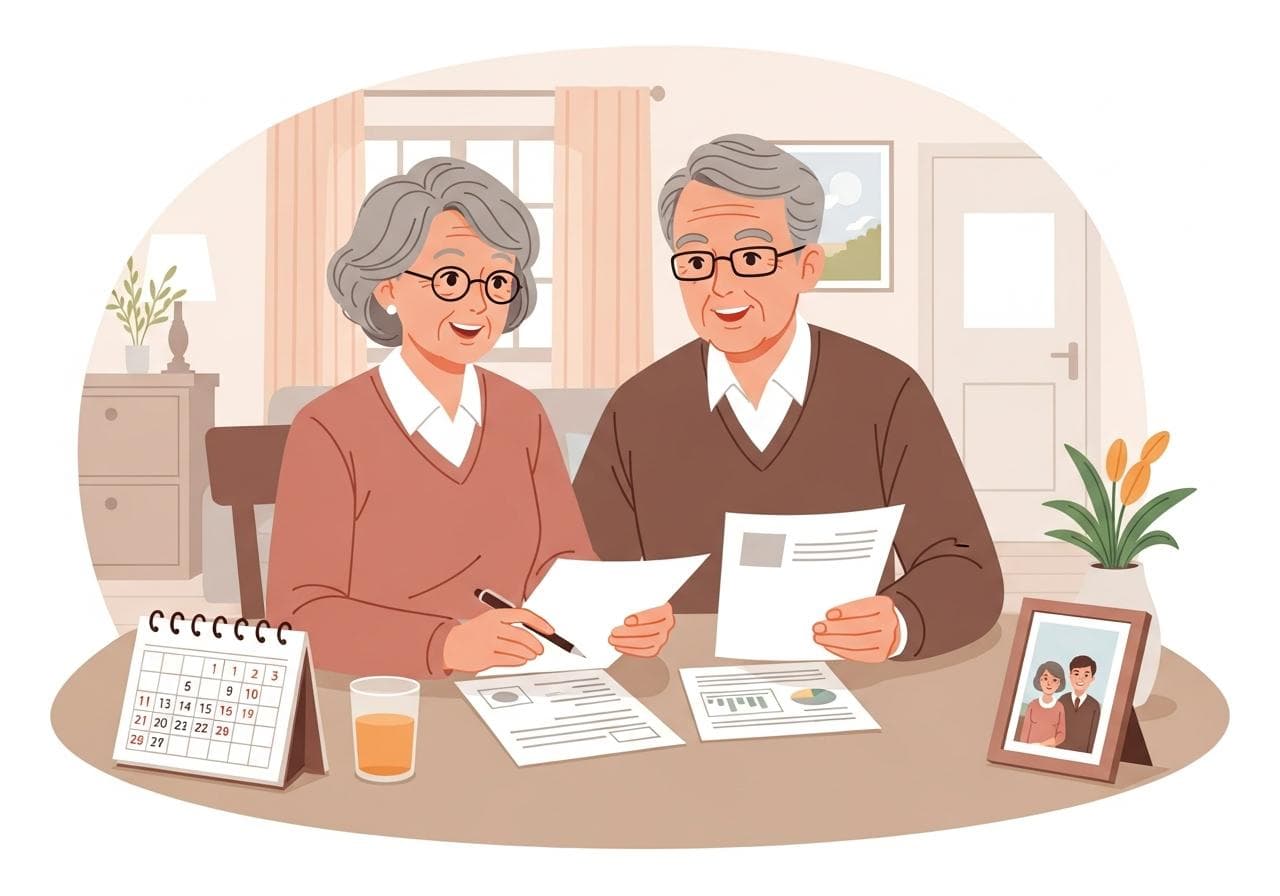
Reverse mortgages provide funds using home equity, offering financial security for seniors while remaining in their homes.
As we reach retirement age, many of us start thinking about how to make our savings last. One option that has become increasingly popular is the reverse mortgage. This financial tool, specifically the Home Equity Conversion Mortgage (HECM), allows homeowners aged 62 and older to access a portion of the equity built up in their homes. In this post, we will discuss essential information seniors should know about reverse mortgages, focusing particularly on interest rates and their impact on financial planning.
What is a Reverse Mortgage?
A reverse mortgage is a loan that allows seniors to convert part of their home equity into cash while still living in their homes. Unlike a traditional mortgage where monthly payments are made, with a reverse mortgage, the lender pays the homeowner. This payment can be made as a lump sum, a monthly payment, or a line of credit that can be drawn upon when needed.
It’s essential for seniors to understand the implications of a reverse mortgage before jumping in. First, the loan must be repaid when the homeowner moves out, sells the home, or passes away. If you're considering a reverse mortgage, visit the AARP guide for more detailed information.
Understanding Home Equity
Home equity is the difference between what you owe on your home and its current market value. For many seniors, their home is their most significant asset, and accessing this equity can be a game-changer during retirement. However, it’s important to note that using a reverse mortgage reduces the equity in your home over time.
When planning for your retirement, you need to consider how a reverse mortgage will impact your overall financial planning strategy. It's a good idea to consult with a financial advisor to get personalized advice tailored to your unique situation.
The Role of Interest Rates
One of the most crucial aspects of a reverse mortgage is the interest rate. The interest on a reverse mortgage can be fixed or variable, and it’s important to understand how this will affect your loan balance over time. When interest rates are low, the cost of borrowing is lower, making it easier for seniors to tap into their home equity. However, when rates rise, the overall cost of the mortgage increases.
When planning for retirement, it’s essential to keep an eye on interest rates and how they may affect your reverse mortgage options. Locking in a low interest rate can save you substantial amounts of money in the long run. If you want to stay updated on the current interest rates, make sure to consult regularly trustworthy financial resources.
Managing Property Taxes and Insurance
One of the requirements of maintaining a reverse mortgage is keeping up with your property taxes and homeowner's insurance. Failing to pay these ongoing expenses could result in foreclosure. It's essential to budget appropriately to ensure that these costs don't become overwhelming.
Seniors should also consider how a reverse mortgage will impact their overall estate planning. If a homeowner does not manage their property taxes and insurance, it could affect the inheritance left behind for heirs. Discussing these matters with family members can ensure everyone is on the same page and prevent future complications.
Different Payment Options
Another great feature of a reverse mortgage is its payment flexibility. Homeowners can choose how they want to receive funds. From getting a lump sum to a monthly check or establishing a line of credit, the choice is up to the seniors. Each option comes with its own set of advantages and disadvantages that seniors should consider in relation to their lifestyle and financial needs.
Understanding these options also helps in planning for future expenses. For example, if a senior knows they will have significant healthcare costs in the coming years, they might prefer a more accessible line of credit.
Potential Risks of Reverse Mortgages
As beneficial as reverse mortgages can be for some, they carry potential risks that seniors should be aware of. Beyond the requirement to pay property taxes and insurance, seniors who opt for a reverse mortgage may also face unexpected costs for home improvements or maintenance that could be necessary to keep the home in good condition.
Moreover, seniors need to be aware of how taking out a reverse mortgage could affect their eligibility for certain government programs, such as Medicaid. If you're uncertain about these implications, consider seeking professional advice.
In Closing
In summary, reverse mortgages can be a useful tool for seniors looking to enhance their retirement finances by tapping into home equity. However, they are not without risks and should be approached with careful consideration. The importance of understanding the role of interest rates, property taxes, and insurance cannot be overstated.
Before deciding on a reverse mortgage, it's advisable to do thorough research. There are many resources available, including Senior Planet and The Senior List, that can help you navigate this complex topic. Ultimately, having a clear financial plan and understanding your options is vital in making the right decision for a secure retirement.
Related Posts

Auto Coverage Seniors Options And Recommendations
Seniors should explore auto insurance options, considering age-related discounts and customized coverage for optimal protection.

Auto Insurance Rates For Senior Drivers
Seniors can find the best auto insurance rates by comparing quotes and considering discounts tailored for them.

Car Insurance Options For Seniors
Find affordable car insurance tailored for seniors, considering age, driving history, and coverage needs.