
Evaluating Home Entrances For Accessibility
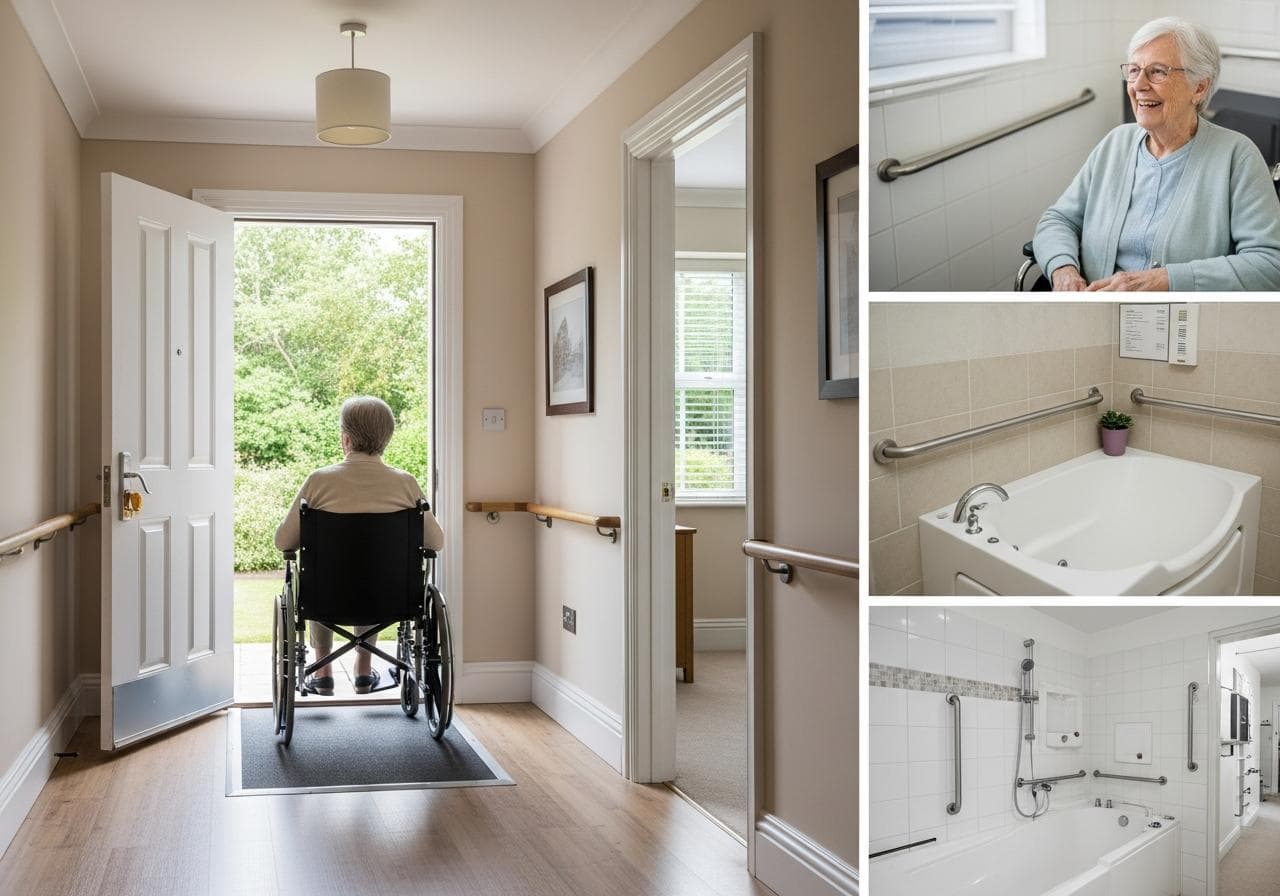
Senior home entrances must be safe. Consider ramps, handrails, and level surfaces for easy, accessible entry.
As our loved ones age or face physical challenges, ensuring that our homes are accessible becomes more important than ever. A crucial factor in making a home accessible is the entrance. In this blog post, we’ll explore various elements that can significantly impact accessibility, including leveling systems, wheelchair ramps, and automated features. Let’s dive in!
Understanding Leveling Systems
One of the key components to consider when assessing home entrances is the leveling systems. These systems help eliminate the barriers posed by uneven surfaces that can make entering or exiting a home difficult. Leveling systems can take the form of minor adjustments to the landscape or the installation of ramps that bring the entrance closer to ground level.
When evaluating the need for a leveling system, think about the topography of your property. Are there dips or hills leading up to the entrance? A well-designed leveling system increases safety and encourages mobility, ensuring easier access for those with mobility challenges.
Wheelchair Ramps: A Necessity for Many
For homes with stairs, wheelchair ramps are often indispensable. Instead of a series of steps, a ramp provides a smooth transition from the outside to the inside of a home. They come in various designs and materials, making it possible to find one that fits both aesthetic and functional needs.
When selecting a ramp, it's important to ensure that it has a gentle incline. The Americans with Disabilities Act (ADA) recommends a slope ratio of 1:12, meaning that for every inch of height, there should be at least 12 inches of ramp run. This makes it easier for individuals to navigate the entrance safely.
Stair Lifts: Overcoming Elevation Challenges
If your home has stairs that cannot be easily modified or if ramps aren't a feasible option, stair lifts can provide a significant solution. Stair lifts are mechanical devices that transport individuals up and down stairs with ease. They can be customized to fit various staircases, making them a versatile choice for enhancing mobility within a home.
Installing a stair lift creates a sense of independence for those who may otherwise rely on assistance to navigate between levels of a home.
Walk-in Tubs: Safety Meets Comfort
An often-overlooked aspect of home accessibility is the bathroom. Walk-in tubs have become popular as they allow users to enter the tub without the need to step over a high ledge. They are particularly beneficial for older adults or individuals with limited mobility.
Look for walk-in tubs built with safety features such as grab bars and non-slip surfaces. These additions help maintain balance and prevent falls, making bathing a safer and more relaxing experience.
Supporting Yourself: Grab Bars and Handrails
Grab bars and handrails are both essential installations that can make a significant difference in safety and accessibility. They can be installed in various areas around the home, including near steps, in bathrooms, and hallways. These sturdy supports give individuals the confidence to move around the house without fear of falling.
When installing grab bars, it's important to focus on weight capacity and proper placement. They should be mounted securely and positioned at a convenient height, allowing for easy access and offering maximum support.
Accessible Doors and Automatic Openers
Another consideration is your accessible doors. Regular doors can pose challenges for those with mobility impairments, especially if they require significant force to open. Opting for doors that swing outward rather than inward can reduce the effort needed to gain entry.
Moreover, adding automatic door openers can be a game-changer. These systems allow individuals to enter and exit with the push of a button or by simply walking towards the door, fostering an environment of independence.
Home Elevators and Platform Lifts
For multi-story homes, home elevators and platform lifts are worthy investments that can significantly increase accessibility. They allow individuals with mobility challenges to navigate between floors safely and easily, eliminating the need for stairs or heavy equipment.
Even in homes where stairs are a feasible option, having a lift can be beneficial for transporting groceries, laundry, and personal items between levels.
Accessible Showers: A Safe Space
Accessible showers are essential in creating a safe bathing experience. They’re designed to eliminate barriers such as curbs and feature adjustable shower heads, non-slip flooring, and enough space for maneuverability.
Incorporating grab bars and seating within these showers can further contribute to safety, allowing everyone to maintain personal hygiene without risk. Making the bathroom accessible not only provides a sense of independence but also promotes dignity.
Threshold Ramps: A Simple Solution
Threshold ramps are a simple yet effective way to manage transitions between different surfaces. They’re ideal for doorways, where a slight elevation can create difficulties for wheelchair users or those who use walkers. Installing threshold ramps can reduce the risk of tripping and make coming in and out of the house much easier.
The Importance of Evaluating All Aspects
To learn more about housing accessibility, you can check out the AARP Policy Book.
Various community resources also provide assistance in evaluating home accessibility. Visit the Senior Planet page for more on accessibility options in your area.
Financial Assistance for Home Improvements
Lastly, if cost is a concern, do not overlook the possibility of financial assistance for home modifications. According to some sources, certain improvements, including those for accessibility, may be covered by Medicare benefits. Always do your research to understand what financial resources are available to you.
Conclusion
Creating an accessible home entrance is about ensuring safety and promoting independence for those with mobility challenges. By considering various options like leveling systems, wheelchair ramps, and other accessibility features, you can build a home that is welcoming for everyone. Don’t let barriers stand in the way of comfort and convenience; evaluate and improve your entrances today!
Related Posts
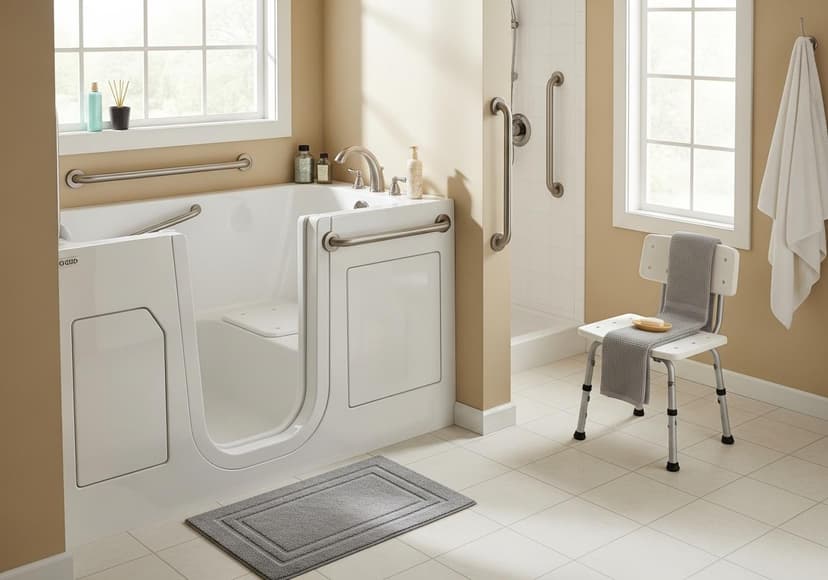
Bath Assist For Seniors Guide For Easy And Safe Access
This guide provides seniors with safe and easy bathing solutions, improving independence and promoting well-being effectively.
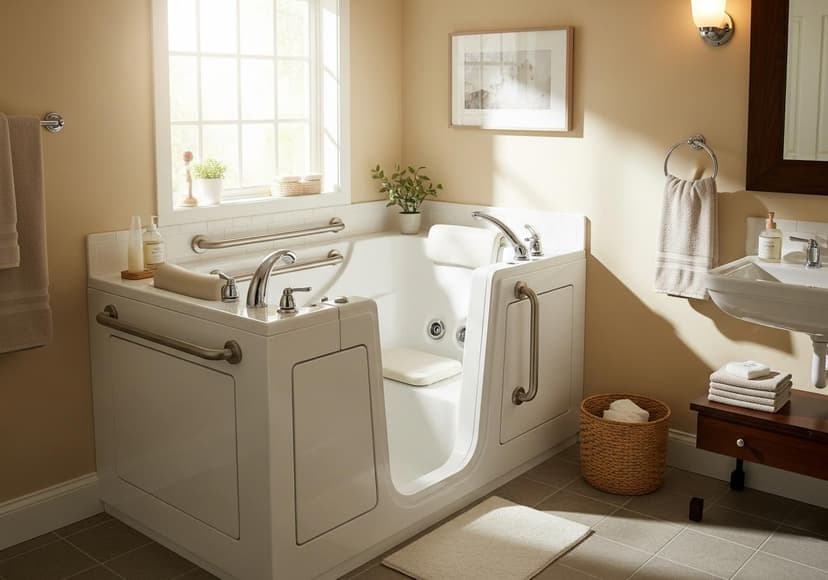
Bathtub Solutions For Seniors
Accessible bathing options improve senior safety and independence. Consider walk-in tubs or shower conversions for comfort.
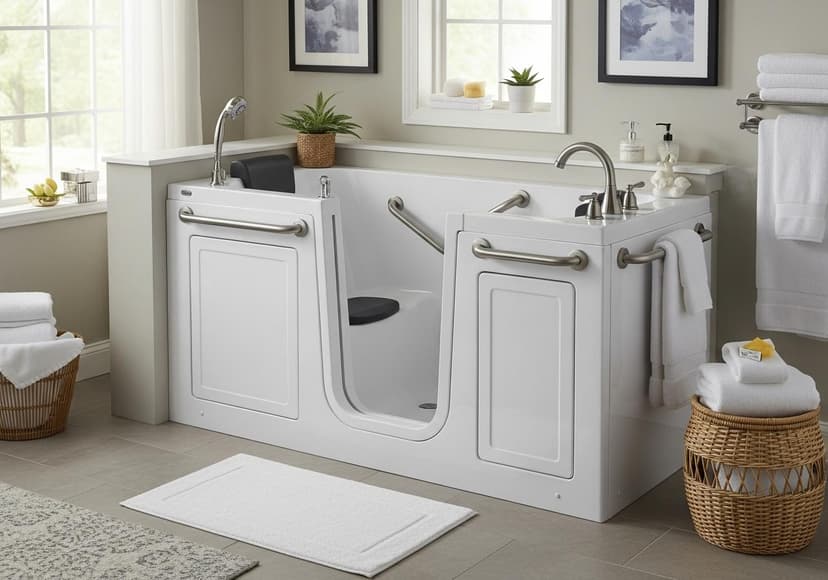
Bathtub Solutions Seniors Can Use For Safety And Comfort
Safe and comfortable bathing solutions are crucial for seniors. Prioritize accessibility and design for aging-in-place.