
Evaluating Home Staircases For Safety
Ensure senior safety on staircases by assessing handrails, lighting, and step conditions for fall prevention.
When it comes to home safety, one crucial aspect many don’t consider is the staircase. Staircases can be a common site for accidents, especially for seniors or individuals with mobility challenges. Evaluating your home staircase for safety doesn’t just mean checking if the stairs are sturdy; it involves a comprehensive staircase inspection. This blog will delve into various factors that contribute to stair safety, solutions available, and modifications that can be made.
The Importance of Staircase Inspection
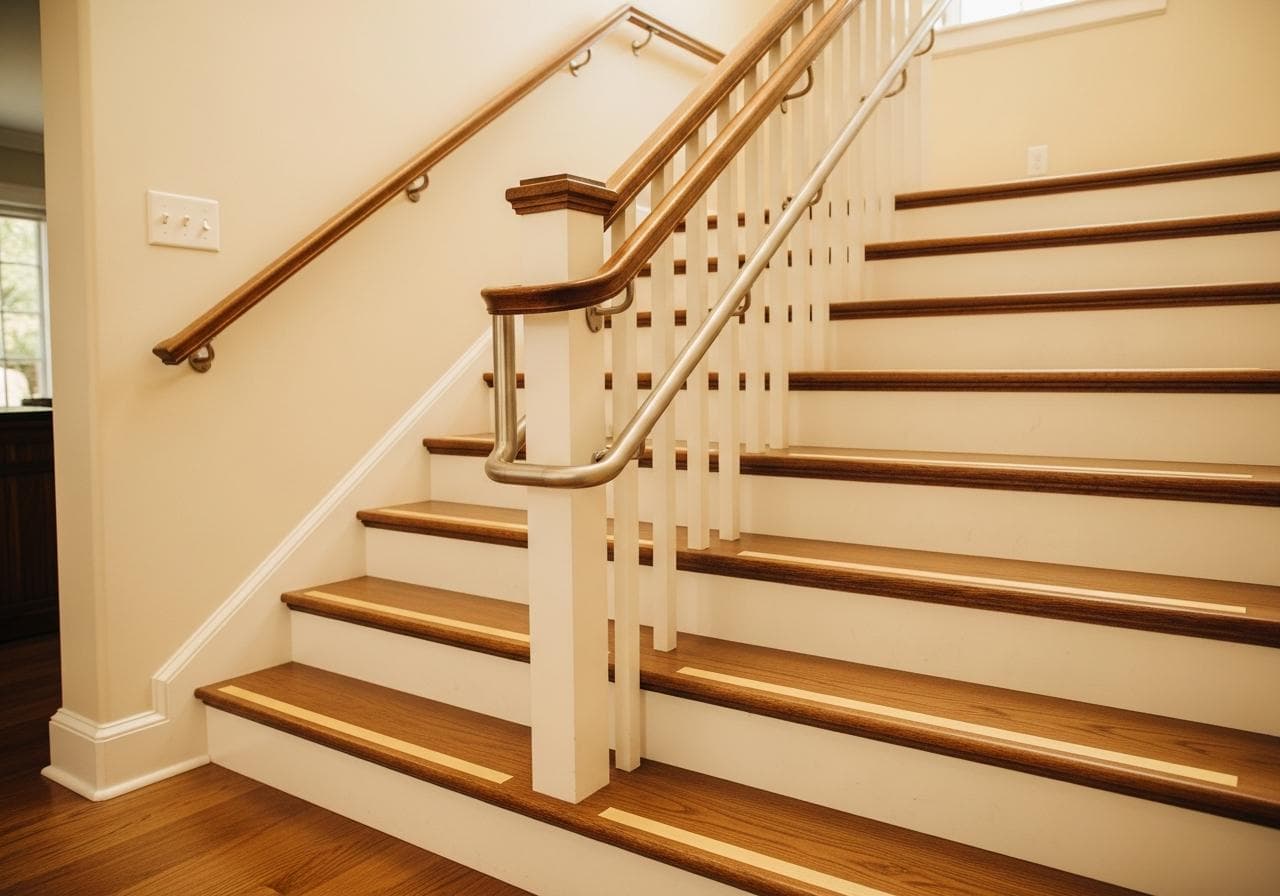
Regular staircase inspections are vital for identifying potential hazards before they result in accidents. During an inspection, look for signs of wear or damage on stair treads and nosings, which can become slippery over time. It’s crucial to ensure all steps are uniform in height and depth to avoid tripping hazards. Every aspect counts! If you notice excessive wear, it may be time for a staircase renovation.
Stair Handrails: A Necessity, Not an Option
One of the key features in promoting stair safety is the installation of stair handrails. These fixtures provide essential support for people as they ascend or descend stairs. Handrails should be securely mounted and designed so they can be comfortably grasped by individuals of all ages. Ideally, the height of handrails should range from 34 to 38 inches above the stair treads to maximize effectiveness.
Understanding Stair Treads and Nosings
The materials and design used for stair treads and stair nosings can significantly impact stair safety. Treads should have a non-slip surface, ensuring people can maintain their footing even in wet conditions. Nosings, or the edges of the stair treads, should be clearly visible, ideally contrasting in color from the treads themselves. This enhancement is not just for aesthetics; it plays a pivotal role in fall prevention.
Implementing Accessibility Modifications
For those who require more than just standard stair safety, accessibility modifications are essential. For instance, the installation of a stair lift or a home elevator can greatly improve mobility for seniors or anyone facing mobility challenges. Such modifications make access to various levels of the home safe, eliminating the risks associated with stairways. Furthermore, it can significantly enhance a homeowner's independence.
Assessing Fall Prevention Strategies
Implementing a robust fall prevention strategy involves making sure every feature on the staircase works together to promote safety. Installing properly sized and firmly attached stair handrails is just the beginning. Ensure each tread is uniformly designed and secure. Lighting is another crucial factor; bright, even lighting can help illuminate the staircase, making it easier for individuals to navigate safely.
The Role of Home Modifications
Homeowners should consider comprehensive home modifications when assessing the safety of staircases. This may include adding a home elevator for those unable to navigate stairs comfortably or redesigning stairways entirely with safety and accessibility in mind. While these modifications require a finite investment, they significantly increase both safety and property value.
Importance of Regular Maintenance
Stair safety is not just a one-time checklist; it requires ongoing attention. Regular maintenance checks to monitor the state of stair treads, handrails, and other safety features of the staircase will help keep everyone safe. Remember, the goal is to create a space that minimizes risk, especially for seniors. Consulting professionals can lead to better evaluations and necessary renovations.
Conclusion and Further Information
Ultimately, the safety of your staircase might just be one of the most critical aspects of ensuring a safe, welcoming home. For more detailed advice on making your stairs safer, check out this guide on AARP. And if you're considering a stair lift, the list of top options can be found here: The Senior List. If your home requires more drastic measures for safety, consider a walk-in bathtub as a part of your renovation plans, as described here: Safe Step.
Don’t wait for an accident to happen! Take the time today to evaluate, inspect, and modify your staircase for a safer home environment. Remember that prevention is always better than a cure, and in the case of stair safety, this is undoubtedly true.
Related Posts
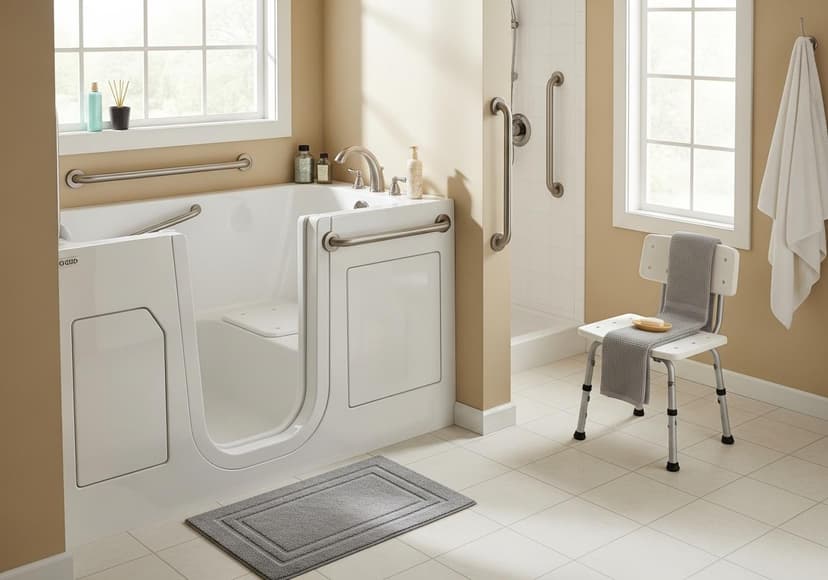
Bath Assist For Seniors Guide For Easy And Safe Access
This guide provides seniors with safe and easy bathing solutions, improving independence and promoting well-being effectively.
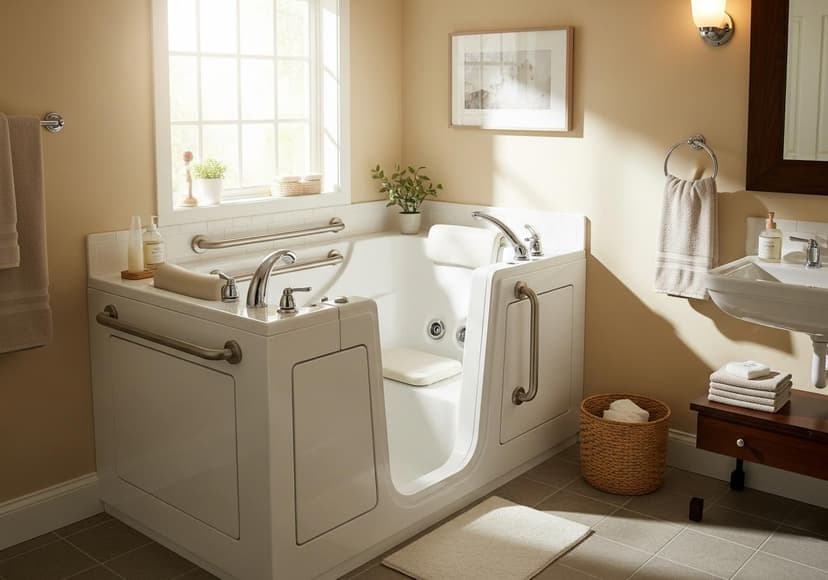
Bathtub Solutions For Seniors
Accessible bathing options improve senior safety and independence. Consider walk-in tubs or shower conversions for comfort.
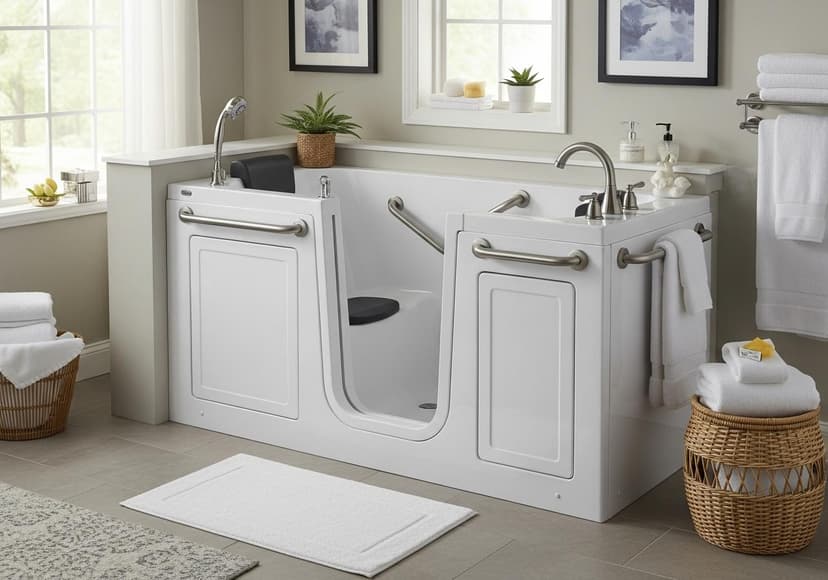
Bathtub Solutions Seniors Can Use For Safety And Comfort
Safe and comfortable bathing solutions are crucial for seniors. Prioritize accessibility and design for aging-in-place.