
How To Access Specialized Care In Retirement Communities
Seniors in retirement communities receive specialized care through various healthcare services tailored to their needs.
As we age, our health needs can become more complex. Choosing the right Long-term Care option is crucial for quality of life and well-being. Retirement communities offer a range of services, including Specialized Care programs designed specifically for various health challenges. Let's dive into how to access these services, and what they include.
Understanding Specialized Care
Specialized care refers to medical and personal support services tailored to the needs of individuals with specific conditions. Senior housing is not a one-size-fits-all solution; it encompasses a spectrum of care that ranges from Assisted Living facilities to Skilled Nursing homes. The right facility can provide peace of mind for both the seniors and their families.
Types of Specialized Care
There are several categories of specialized care available within retirement communities. These include:
- Memory Care: This program specifically addresses the needs of individuals with memory-related issues such as Dementia and Alzheimer's Care.
- Rehabilitation Services: These programs are designed to support recovery after an injury or surgery, helping seniors regain their independence.
- Hospice and Palliative Care: For those facing terminal illnesses, hospice care focuses on comfort and quality of life.
Finding the Right Facility
When searching for a retirement community that offers specialized care, consider the specific health conditions that need addressing. For example, if a senior is facing memory challenges, researching options for Memory Care is essential. You can start by asking for recommendations from healthcare providers or searching online for reputable facilities.
A great resource for understanding Memory Care options is the AARP website, which provides extensive information and tools for families.
Assessing Care Quality
The quality of care can significantly impact the health outcomes of seniors. When visiting a potential retirement community, pay attention to the staff-to-resident ratio, the staff's qualifications, and their approach to Geriatric Care. It's critical that caregivers are trained to meet the specific needs of older adults, whether it’s through regular health monitoring or providing companionship.
Moreover, visiting the facility allows you to observe the environment and interaction between staff and residents. This can give you insights into the day-to-day quality of life in the community.
Regulatory Standards and Accreditation
Most neighborhoods and communities require compliance with health and safety regulations. Facilities should be accredited by state or national healthcare boards. Check if the community is certified for various care services, such as Skilled Nursing or Rehabilitation Services, as these certifications indicate that the care provided meets established standards.
Cost Considerations
Affordability can pose a significant challenge for families looking for specialized care options. While some senior housing facilities might be expensive, it's important to explore financial assistance options, including Medicaid, long-term insurance policies, and community grants.
Be sure to ask about what services are included in the monthly fees and what might incur additional charges. This transparency is crucial in budgeting for necessary Long-term Care.
Community Engagement and Activities
Access to specialized care extends beyond physical health. A fulfilling social life is equally important for mental and emotional well-being. Look for retirement communities that offer engaging activities tailored to diverse interests, allowing residents to connect and thrive in their new environment.
Communities that emphasize social engagement often report better health outcomes, making them a wise choice for families concerned about overall well-being.
Tailoring Care Plans
Individualized care plans are essential, especially in facilities offering Dementia Care or Alzheimer's Care. When selecting a retirement community, inquire about how they develop personalized care strategies and if they are adaptable as needs change over time. Continual assessments ensure that each resident receives the appropriate level of care.
Home Care Options
If relocating to a community isn't feasible, consider home care options that provide specialized services. Organizations like Visiting Angels offer personal care, companionship, and more, helping seniors remain in their homes while accessing necessary support. This could be a fantastic option for families who prefer to maintain familiar surroundings.
Final Thoughts
In conclusion, accessing specialized care within retirement communities can make a substantial difference in quality of life for seniors. With various options like Assisted Living, Skilled Nursing, and dedicated Memory Care facilities, it can be a daunting task to choose the right fit. However, by taking the time to explore available resources, visiting potential communities, and considering both medical and emotional needs, families can discover the best solutions tailored for their loved ones.
To learn more about senior housing alternatives, you may find this article on Senior Planet insightful for broader perspectives.
Finding the right community may not happen overnight, but with research and consideration, families can access the specialized care necessary for a fulfilling retirement.

Related Posts
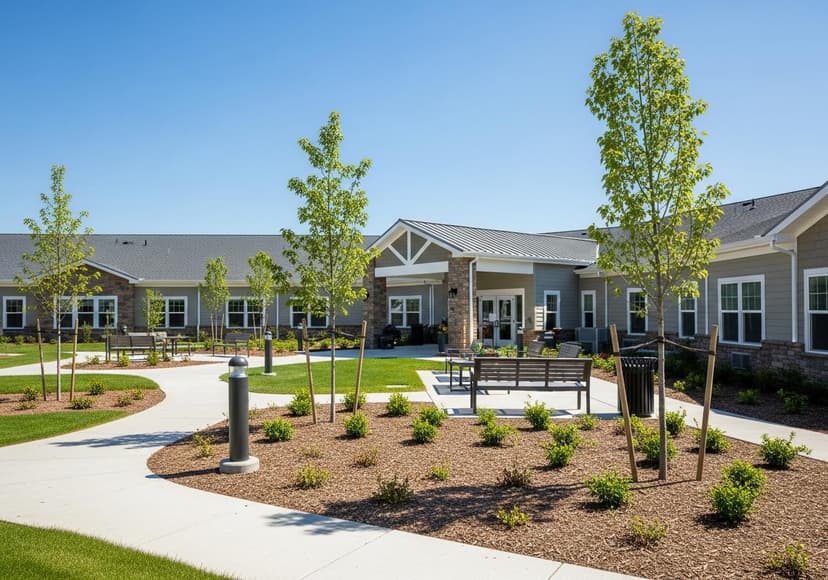
Above 55 Senior Living Communities Overview
Focusing on senior living options, this article provides insights into communities designed for those 55 and over.
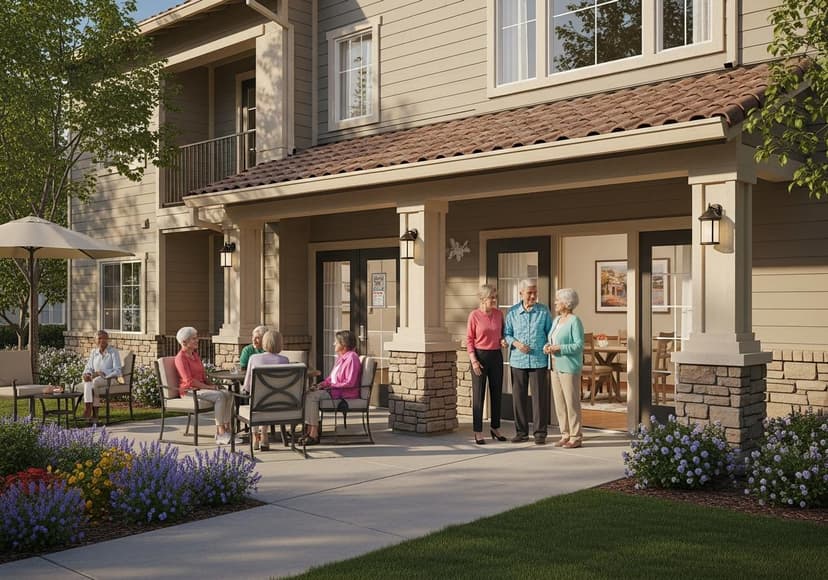
Affordable Apartments For Seniors
These residences offer comfortable, budget-friendly living options. Seniors can find independence with supportive services.
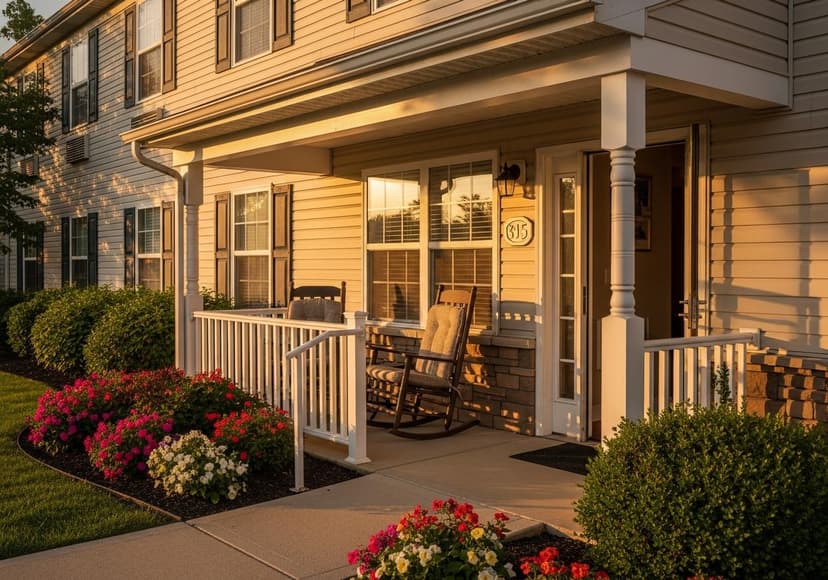
Affordable Housing Options For Seniors
Finding suitable homes with financial assistance ensures seniors live comfortably, fostering independence and well-being.