
How To Check For Common Household Hazards
Regularly inspect the home for tripping risks, fall dangers, and other hidden hazards to ensure senior safety.
Aging in place is a desire for many seniors, yet it also brings significant challenges regarding safety and hazards around the home. As we age, our homes should be our sanctuaries, but often they can pose significant risks. Understanding how to identify common hazards can help you keep your space safe and comfortable. Here’s a guide to checking and addressing various household hazards to keep seniors safe at home.
Understanding Common Senior Home Hazards
The first step in ensuring safety at home is to understand what common hazards exist. For seniors, this includes fall prevention, fire hazards, and other tricky spots that can lead to accidents. As physical abilities decline, awareness of trip hazards or slip hazards becomes crucial. Regularly surveying the home for these hazards can save lives and prevent injuries.
Creating a Home Safety Checklist
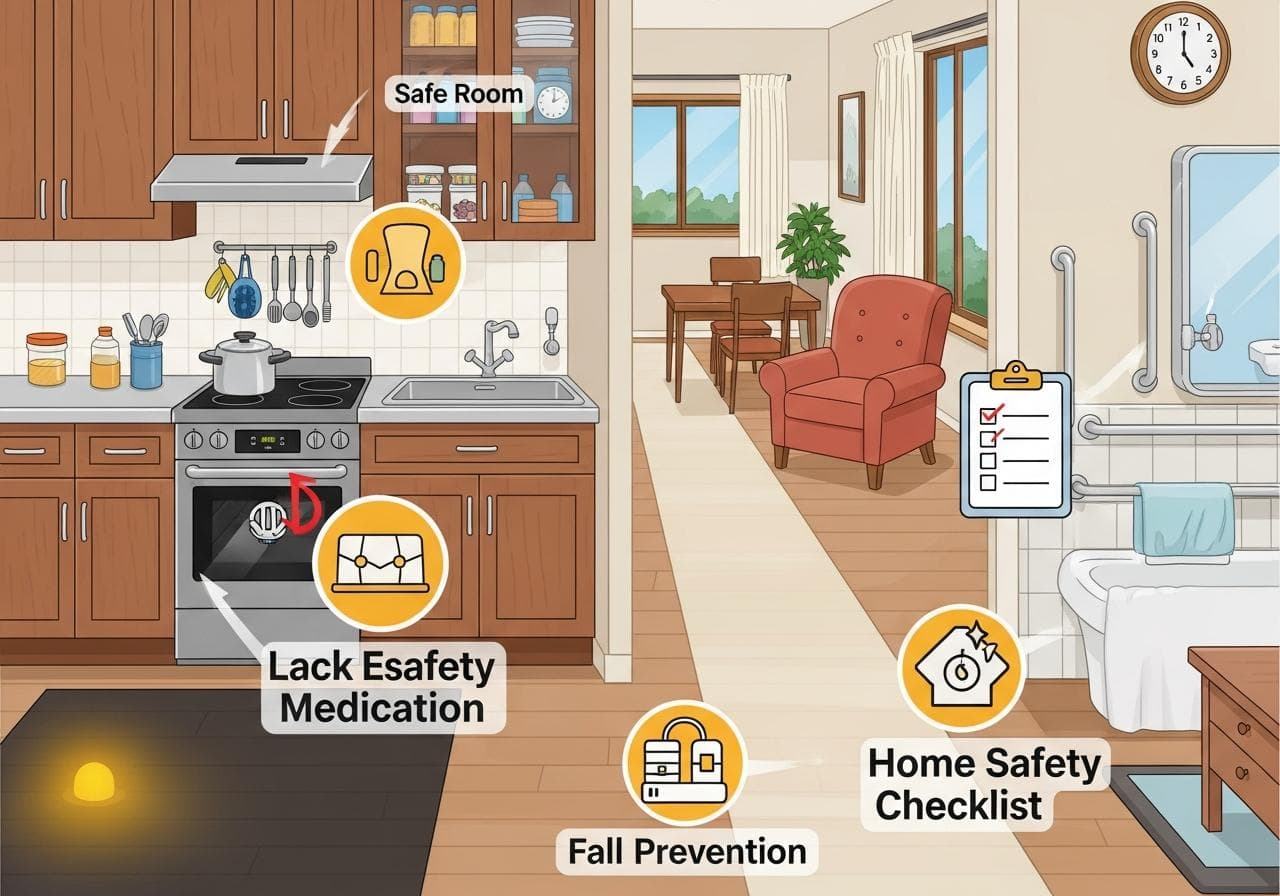
A practical way to assess the safety of your home is to create a home safety checklist. Start by listing out areas that commonly pose risks. Include rooms like the bathroom, hallway, and kitchen, which often have slippery surfaces or are cluttered with items that could lead to accidents. Remember, mobility aids should be stored close to the places they are most needed, and any walking paths should be clear and well-lit.
Fall Prevention Strategies
One of the major risks for the elderly is falls. Installing grab bars in bathrooms, securing rugs with non-slip backing, and ensuring good lighting can significantly contribute to fall prevention. These modifications can improve safety and provide peace of mind, allowing seniors to navigate their homes with confidence.
Addressing Slip Hazards
Slip hazards often occur in often wet or paved areas around the home. Bathrooms, kitchens, and outdoor patios can be dangerous. Use non-slip mats in bathrooms and consider traction strips for any steps leading in or out of the house. Identifying and modifying these slip risks ensures the home remains a place of comfort.
Identifying Trip Hazards
Trip hazards can be less obvious, such as electrical cords, furniture, or changes in flooring material. Make it a habit to scan your home regularly and declutter spaces that tend to accumulate items. Creating a clear pathway through rooms can minimize the chance of trips and falls, keeping everyone safer and more mobile.
Medication Safety in the Home
Another critical aspect of safety at home is medication safety. As health conditions change, seniors often have multiple prescriptions which can be difficult to manage. Ensure that medications are stored safely, perhaps in a location that is at eye level and easy to access. Using a medication organizer can provide a simple solution and help prevent mix-ups.
Wandering Prevention for Seniors
For seniors, especially those facing cognitive decline, wandering can be a significant concern. Using door alarms or locks can prevent unauthorized exits and help keep loved ones safe. Additionally, engaging seniors in stimulating activities at home may help reduce the urge to wander by keeping their minds engaged.
Fire Hazards and Prevention
Fire safety should never be overlooked. Check smoke detectors regularly, ensuring they work effectively. It’s also wise to have a fire extinguisher accessible in the kitchen—often, the most common site of household fires. Creating a fire escape plan and ensuring that exits are clear is essential to proper safety measures at home.
Home Modifications for Seniors
Homes may need adjustments to promote safety as part of elderly care. Simple modifications such as moving furniture for better access, installing ramps, or using shower chairs can make daily activities easier and safer. These adjustments can contribute to a sense of independence while minimizing risks.
Regular Safety Checks
It’s a good practice to perform regular safety checks around the home. Make a schedule to revisit your home safety checklist every few months. Changes in household dynamics or updates in personal health can create new risks that were previously unconsidered. Keeping an active eye on safety not only protects those living in the home but also allows seniors to maintain their independence while aging in place.
Getting Expert Advice
If you're unsure about the specific modifications needed or how to best enhance safety, consider consulting professionals who specialize in home modifications for seniors. Websites like AARP provide excellent resources on safety tips. There are also local agencies and contractors that specialize in adapting homes to meet the needs of seniors, making them safe places for aging in place.
Additional Resources
While personal assessments are vital, using tools and resources that can guide you through safety checks is also recommended. Websites like The Senior List are invaluable when prepping your home for aging in place. They can provide insights on how to enhance home safety and make necessary modifications to ensure a safe living space.
Conclusion
Checking for common household hazards is a fundamental aspect of maintaining a safe home for seniors. Through consistent evaluation and engaging in essential practices, you can facilitate a safer environment equipped for aging in place. Addressing fire, slip, and trip hazards, ensuring medication safety, and implementing wandering prevention measures are practical steps every homeowner should take. Remember, the goal is to create a secure sanctuary where seniors can thrive while remaining independent.
Related Posts
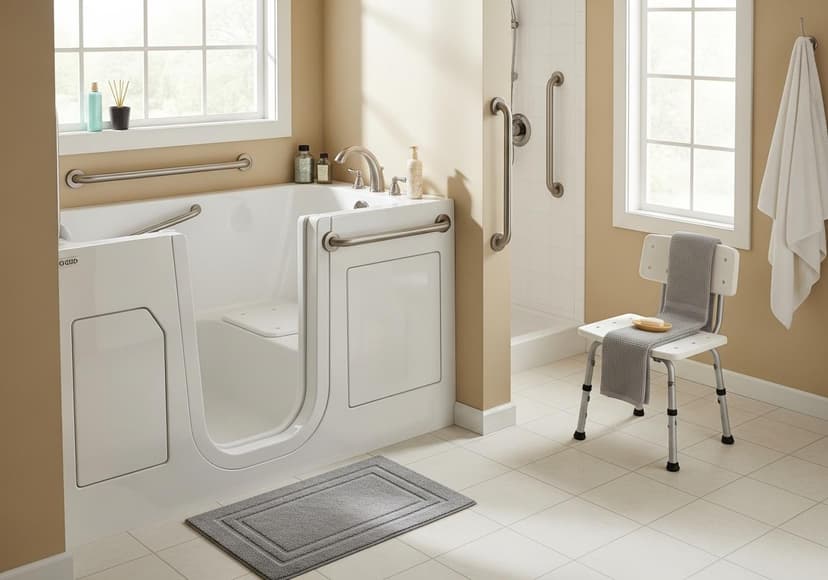
Bath Assist For Seniors Guide For Easy And Safe Access
This guide provides seniors with safe and easy bathing solutions, improving independence and promoting well-being effectively.
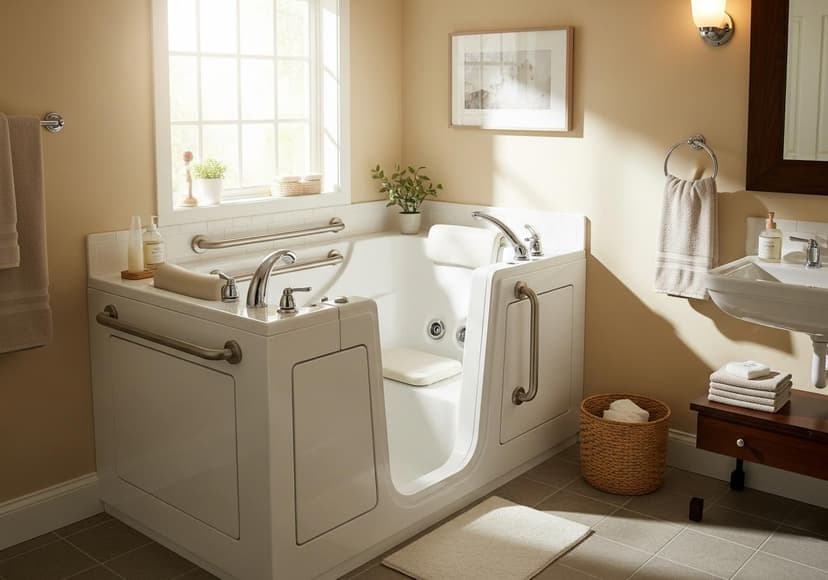
Bathtub Solutions For Seniors
Accessible bathing options improve senior safety and independence. Consider walk-in tubs or shower conversions for comfort.
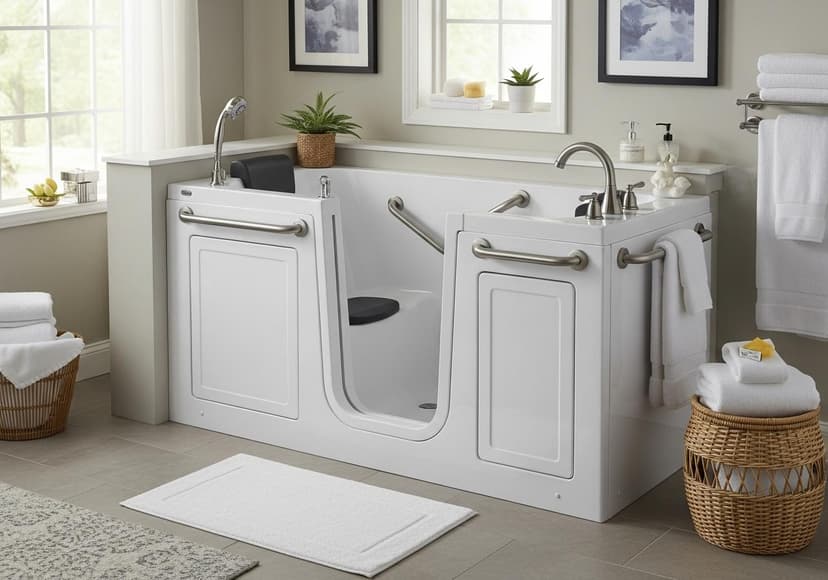
Bathtub Solutions Seniors Can Use For Safety And Comfort
Safe and comfortable bathing solutions are crucial for seniors. Prioritize accessibility and design for aging-in-place.