
How To Evaluate Long Term Care Policies
Assess financial strength, coverage details, and policy features to ensure long-term care needs are met.
Understanding Long Term Care Insurance
Long Term Care (LTC) Insurance is an essential financial product, especially as we age. It helps cover services that traditional health insurance does not, such as nursing home care, in-home care, and assisted living facilities. With the rising costs of healthcare, investing in a comprehensive LTC policy could save you and your family from significant expenses down the road. But how do you evaluate which policy is right for you? Let's break it down.
Key Factors to Consider
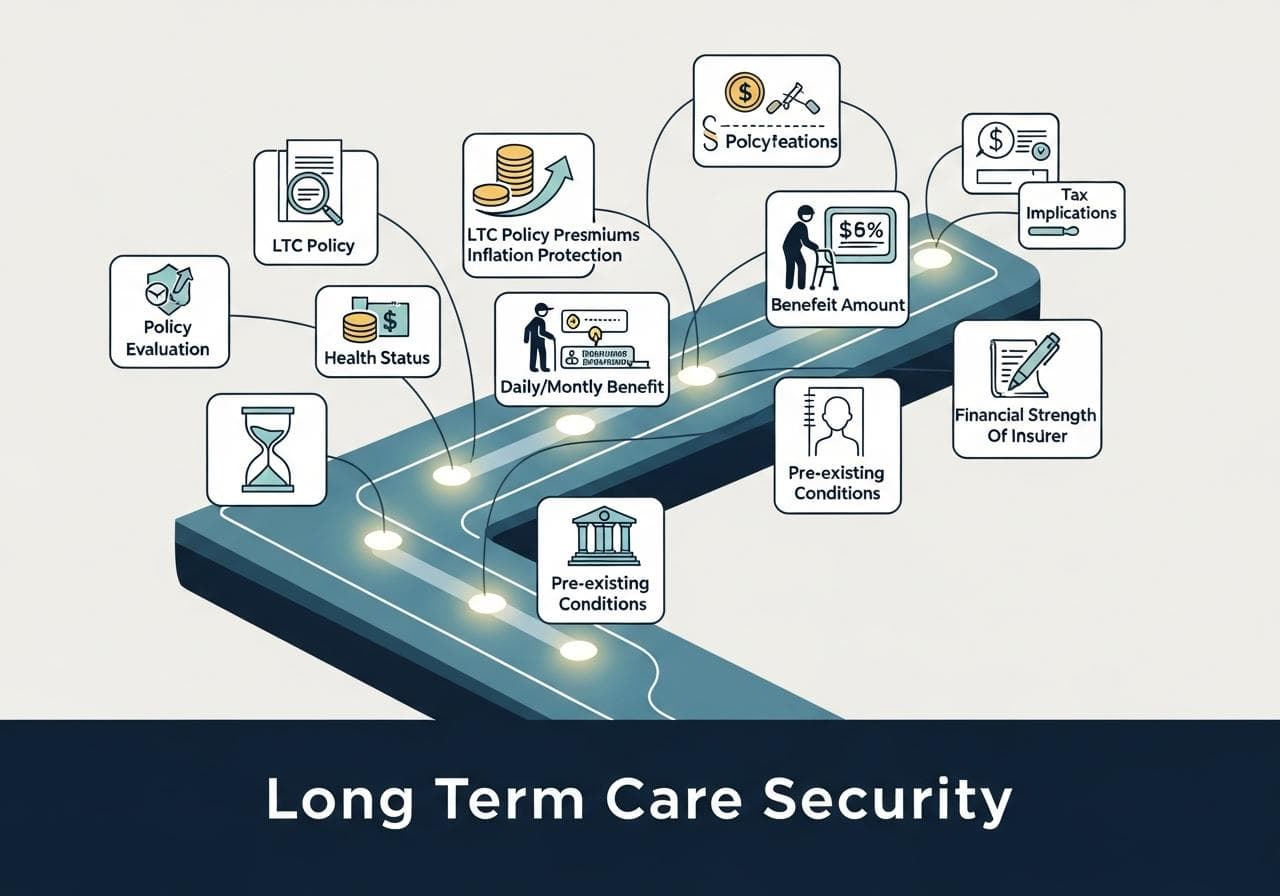
When evaluating long term care policies, there are several important factors to keep in mind. Understanding LTC policy premiums is vital since it indicates how much you'll need to pay for coverage. Be sure to consider the benefit amount, which is the maximum amount your policy will pay per day or month for long-term care services. It's also crucial to look at the elimination period – the length of time you must wait after needing care before your policy begins to pay benefits.
Inflation Protection and Daily/Monthly Benefits
Don't overlook the importance of inflation protection. As costs of care inevitably rise over time, having a policy that includes inflation protection ensures your benefits remain relevant. Policies vary widely in their benefit structures, so look for those that offer a substantial daily/monthly benefit that meets your anticipated needs. Make sure to consider how your living expenses may escalate as you grow older.
Policy Riders: Customizing Your Coverage
Another option to think about is policy riders. These are additional features you can add to your base policy for an extra cost. They may include options such as return of premium, additional home care benefits, or even shared benefits with a spouse. Each of these riders can enhance your coverage but also increase your premiums, so weigh the costs and benefits carefully.
Health Status and Pre-existing Conditions
Your health status plays a big role in the premium you’ll pay and the coverage you can obtain. Insurers will often assess past and current health conditions, including any pre-existing conditions, so be transparent in your applications. This helps in getting accurate quotes and reduces the chance of complications later in the process.
Financial Strength of Insurer
The financial strength of the company providing the LTC insurance is crucial. Look for insurance companies with solid ratings from trusted agencies. A financially robust insurer is more likely to be there when you need it most. You can review these ratings through resources like AHCA or other financial assessment sites.
Age: Timing Your Decision
Your age is a significant factor in determining the cost of long-term care insurance. The younger you purchase a policy, the lower your premiums generally will be. While it might seem early, securing a policy in your 50s or even earlier can result in substantial savings over the years. As you age, health risks increase, which can raise your premiums or even make you uninsurable.
Understanding Tax Implications
One of the often-overlooked aspects of long term care insurance is understanding the tax implications. Premiums for qualified long-term care insurance policies may be tax-deductible, depending on your age and the amount you pay. However, this can get complicated, especially if you’re self-employed or have other income details to consider. Consulting a tax advisor to help you navigate these waters is usually a wise step.
Policies that are classified as "qualified" by the IRS can offer certain tax advantages. It’s essential to keep detailed records of your premiums, as these may assist you in claiming deductions. Being informed about how these tax benefits apply to your long-term care needs can save you money during retirement.
Comparing Policies: A Proactive Approach
As you assess multiple policies, don't hesitate to ask for quotes from different insurers to compare. Make sure you’re evaluating apples-to-apples by using the same coverage details like benefits, elimination period, and riders. You can start your comparison journey by visiting resources like Senior Planet, which can provide insights into various policies and their relevance to your needs.
Final Thoughts: Making Informed Decisions
Evaluating long term care policies requires diligence, but the protection they provide can be invaluable. Take your time, consider all factors, and don’t rush into a decision. Understanding your health status, age, financial situation, and the specifics of the policies is vital. Just remember, a well-researched choice today can lead to peace of mind tomorrow.
Lastly, don’t forget to keep abreast of any updates in long-term care guidelines. You can also read up on what constitutes the best deals by checking The Senior List for recommendations. Stay informed, and you’ll be better positioned to make the right choice for your long-term care insurance future.
Related Posts

Auto Coverage Seniors Options And Recommendations
Seniors should explore auto insurance options, considering age-related discounts and customized coverage for optimal protection.

Auto Insurance Rates For Senior Drivers
Seniors can find the best auto insurance rates by comparing quotes and considering discounts tailored for them.

Car Insurance Options For Seniors
Find affordable car insurance tailored for seniors, considering age, driving history, and coverage needs.