
How To Monitor Blood Pressure At Home For Seniors
Regular home checks help seniors manage blood pressure. Tracking readings aids in maintaining good health and preventing issues.
Understanding Senior Blood Pressure Monitoring
As we age, it's crucial to monitor our health closely, and blood pressure is one of the vital parameters to keep an eye on. High blood pressure, also known as hypertension, is particularly prevalent in older adults. Regular at-home blood pressure checks can help seniors manage their health proactively and identify any issues before they escalate. It's important to stay informed about blood pressure medication for seniors that can aid in maintaining normal levels.
Choosing The Right At-home Blood Pressure Devices
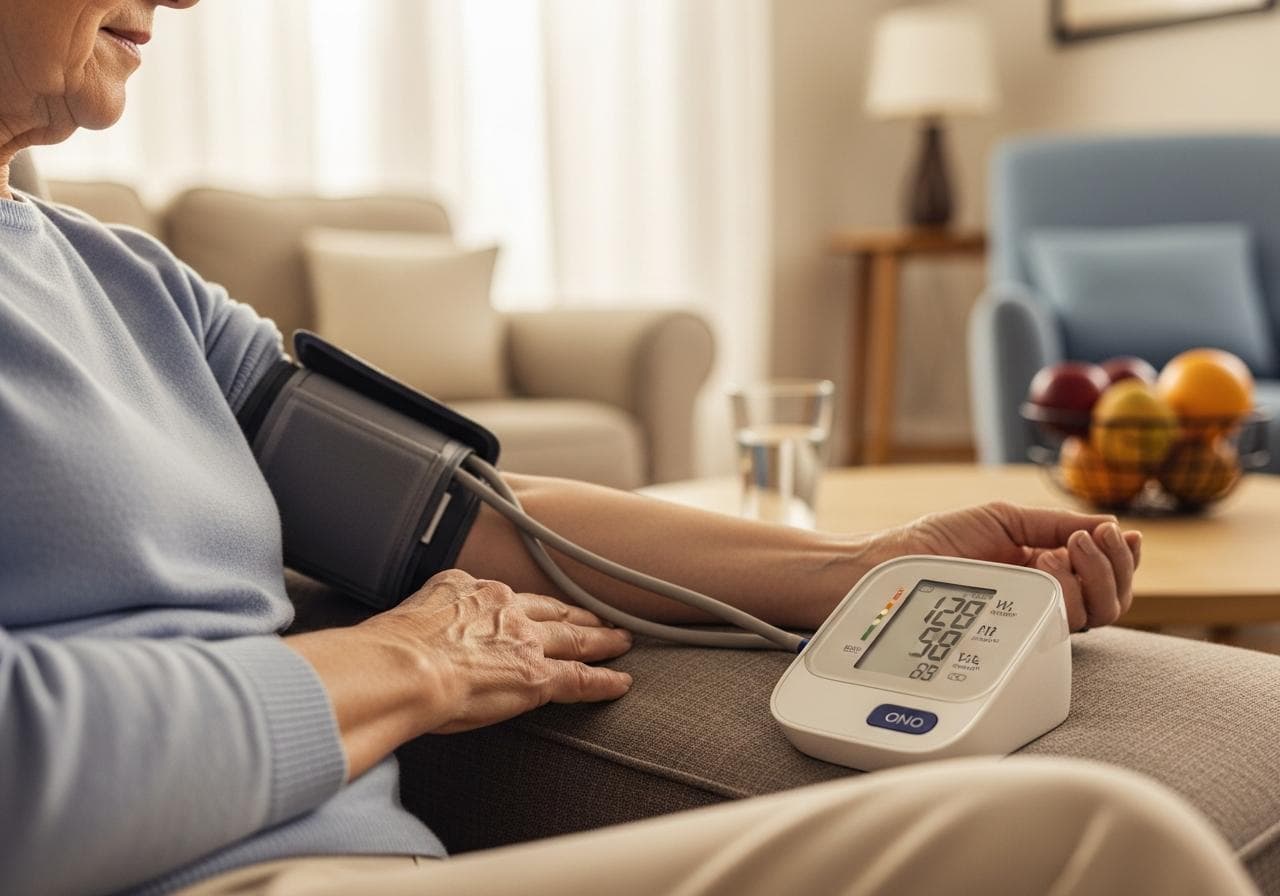
When it comes to monitoring blood pressure at home, choosing the right devices can make all the difference. There are various at-home blood pressure devices available that range in features and prices. Look for a device that's easy to use and preferably an automatic cuff, as these can provide accurate readings without the hassle of manual inflation. For recommendations, you can check options at The Senior List.
Learning About High Blood Pressure In The Elderly
High blood pressure is often referred to as a "silent killer," as it rarely presents noticeable symptoms. For seniors, this condition is particularly concerning as it can lead to severe health problems including heart disease, kidney damage, and strokes. Understanding the implications of hypertension in older adults is vital for effective blood pressure management. Regular monitoring can empower seniors to be aware of their numbers and take action when necessary.
Effective Blood Pressure Management For Seniors
Managing blood pressure can seem daunting, but it doesn't have to be. Once you have access to at-home blood pressure checks, you can easily track your numbers daily, weekly, or however often is recommended by your healthcare provider. Keep a record of your readings, and share them during your medical appointments. This helps your doctors assess how well your blood pressure medication for seniors is working. They might suggest adjustments if needed based on how consistently your blood pressure remains within the target range.
The Importance of Lifestyle Changes for Blood Pressure
While medication can help manage high blood pressure, incorporating some lifestyle changes can have a significant impact as well. Seniors can greatly benefit from adopting a low sodium diet for seniors, as reducing salt intake may lower blood pressure levels. Additionally, incorporating regular exercise tailored to seniors can also be beneficial. Activities like walking or swimming not only help control weight but also enhance overall cardiovascular health.
Stress Management For Blood Pressure
Stress is another contributing factor to high blood pressure. Therefore, employing stress management for blood pressure is essential. Techniques like mindfulness, deep breathing exercises, or gentle yoga can help reduce anxiety levels and support stronger heart health. Consider dedicating time each day for relaxation practices, which can have a profound effect on blood pressure levels.
Exercise For High Blood Pressure
Exercise is often touted for its health benefits, including for blood pressure management. Low-impact exercises such as walking, cycling, or swimming are excellent choices for seniors. Starting slow and gradually increasing the intensity can help ease into a routine. Aim for at least 150 minutes of moderate aerobic activity each week. This approach can significantly help balance high blood pressure in seniors.
Home Blood Pressure Checks, A Necessity
Regular home blood pressure checks serve as an essential tool for managing hypertension. Having your own device at home can empower you to take charge of your health. Make it a habit to measure your blood pressure at the same time each day to easily identify patterns or spikes. Remember to follow the instructions closely for accurate readings—rest for a few minutes before checking and ensure your arm is at heart level during the measurement. Document your readings for discussions with your healthcare provider.
Stroke Prevention In Seniors
One of the main concerns with uncontrolled high blood pressure in seniors is the increased risk of strokes. By regularly monitoring blood pressure and staying proactive, seniors can reduce the risk factor associated with strokes. Understanding the link between hypertension and stroke is critical; it highlights the importance of regular monitoring, a balanced diet, and exercise. Make informed lifestyle choices and engage in community support programs to stay active.
The Final Thought
Keeping tabs on your blood pressure at home is an effective strategy for maintaining overall health, especially as we age. Choosing the right devices, understanding and embracing blood pressure management, and employing lifestyle changes will lead you towards better health. Seniors should prioritize learning about blood pressure cuffs and devices that make monitoring straightforward. Remember: it’s all about taking small, consistent steps towards a healthier life.
Related Posts
A Guide To Senior Services And Support
Navigating senior services provides essential support, resources and care for older adults to maintain independence and well-being.

Adult Aligners Seniors Tips For Comfortable Treatment
Seniors seeking adult aligners should prioritize comfort. Gentle adjustments and open communication are key.

Affordable Home Care Services For Seniors
Quality support offers seniors independence. Customized care ensures comfort, well-being, and peace within familiar surroundings.